
|
 21st August 2005, 09:47 PM
|
#1 |
|
(deceased)
Join Date: Dec 2004
Location: East Coast USA
Posts: 3,191
|
 Luzon Bolo With Wootz Blade!
Hi Guys
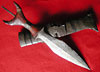
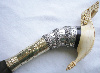
Ibeam was over at my house today to have me etch some of his swords. He pulled out an old Luzon bolo which he thought he saw a wootz pattern in the blade. So I did a light etch and to my amazement it was wootz. I figured the bolo must have been reworked from an older sword I don't think the Christian smiths made wootz in the late 1800s. Last edited by LOUIEBLADES; 21st August 2005 at 10:11 PM. |

|

|
|
22nd August 2005, 12:16 AM
|
#2 |
|
Member
Join Date: Apr 2005
Posts: 3,255
|
 Great find Ibeam!
Any chance to get better close-ups?
 (I know, wootz is a pain to photograph!  ) )Regards, Kai |
|
|
|
|
22nd August 2005, 12:39 AM
|
#3 |
|
Member

Join Date: Dec 2004
Location: Cincinnati, OH
Posts: 940
|
I agree with Kai. I must admit i don't really see Wootz in this photograph.
|
|
|
|
|
22nd August 2005, 02:31 AM
|
#4 |
|
(deceased)
Join Date: Dec 2004
Location: East Coast USA
Posts: 3,191
|
Hi Guys
I don't have the sword anymore Ibeam will have to post better pics but it is most definately wootz I did a side by side comparison with some of my wootz pieces and his sword showed a nice pattern. It was real hard to photograph the wootz pattern. I tried sharpening the current close up but the file gets too large for the website to take. Nechesh I can email you a sharper pic if you would like. OK here is a link to view a better picture of the wootz pattern. http://img.photobucket.com/albums/v1...tphotos012.jpg Lew Last edited by LOUIEBLADES; 22nd August 2005 at 02:48 AM. |
|
|
|
|
22nd August 2005, 10:12 AM
|
#5 |
|
Vikingsword Staff

Join Date: Dec 2004
Location: The Aussie Bush
Posts: 4,748
|
Hi Lew:
I can sort of see a pattern of something, but the pics are less than convincing. Even so, assuming this is wootz, it is a very unusual finding on a distinctly Filipino sword from Luzon -- I've not seen another example. The sword blade is definitely a Filipino pattern ("matulis"). The hilt and scabbard suggest c. 1900 or a little later, perhaps a Katipunan piece from the symbols on the hilt. Possibly the most likely source for a wootz ingot might have been via the Muslims in the south of teh Philippines, and their contacts with other Muslims in Malaysia, India and Arabia. Perhaps something brought back from the Haj that found its way into the hands of a Christian Filipino. Intriguing piece if it does turn out to be wootz. Ian. |
|
|
|
|
22nd August 2005, 02:58 PM
|
#6 |
|
Member
Join Date: Dec 2004
Location: New Jersey
Posts: 134
|
Many Thanks
Thank you All,
I tried to take a close up of the blade and here it is. The clean smooth steel in the bottom of the picture is the blade edge. Most of the patterning happens just above this hardened edge. Thanks Lew for posting the sword. 
|
|
|
|
|
22nd August 2005, 07:46 PM
|
#7 |
|
Member

Join Date: Dec 2004
Location: Kernersville, NC, USA
Posts: 793
|
I fiddled with your pic in Photoshop to try to show the pattern better. Don't know if it's better or worse.
 Lovely Bolo though! |
|
|
|
|
22nd August 2005, 08:36 PM
|
#8 | ||
|
Member
Join Date: Apr 2005
Posts: 3,255
|
Quote:
Quote:
 Actually, this lack of pattern may be a more compelling evidence that this really is wootz: Seems like the bladesmith was unaware of the requirements for forging wootz and thus destroyed the hard wootz edge during a futile conventional "hardening" step! Maybe this blade was made from an imported wootz blank/blade? Is it possible to deduce from the pattern wether it was just filed into shape or is there any forging noticeable? Sorry for being a pain! Regards, Kai |
||
|
|
|
|
22nd August 2005, 08:47 PM
|
#9 |
|
Member
Join Date: Mar 2005
Posts: 116
|
what did you etch with......
it does look very wootzy... nice blade Greg |
|
|
|
|
22nd August 2005, 10:17 PM
|
#10 |
|
Vikingsword Staff
Join Date: Dec 2004
Location: The Aussie Bush
Posts: 4,748
|
I think we need the help of Dr Ann for this one (e-mail sent).
Perhaps we are just seeing some unusual crystallization associated with the process for hardening of the edge. Ian. |
|
|
|
|
22nd August 2005, 10:22 PM
|
#11 | |
|
(deceased)
Join Date: Dec 2004
Location: East Coast USA
Posts: 3,191
|
Quote:
I emailed Dr. Ann she thinks it could be wootz from southern India? Lew |
|
|
|
|
|
22nd August 2005, 10:24 PM
|
#12 |
|
EAAF Staff
Join Date: Dec 2004
Location: Louisville, KY
Posts: 7,416
|
Rsword corrected me once in that I thought my gunong was wootz. It looked like it, but was not crystaline. This one looks very similar to mine. If Rsword is around, would like to get his opinoin was well. Maybe I'll post some pics for comparison.
|
|
|
|
|
22nd August 2005, 10:56 PM
|
#13 |
|
Member
Join Date: Feb 2005
Posts: 133
|
Hi all!
I agree it is difficult to judge from a picture. It either looks like very fine south Indian wootz, or very complicated lamination. The blade shape does look as though it may be from a ground down old sword blade. Stick it under a microscope and see if you can see any spheroidal cementite. I know, easier said than done! Battara, I did not know you were from Louisville. I was just there to visit the Frazier. |
|
|
|
|
23rd August 2005, 12:10 AM
|
#14 |
|
Member
Join Date: Dec 2004
Location: Greensboro, NC
Posts: 1,099
|
It is very difficult to tell from the pictures but I think Ian is right on the money in that this is some unusual crystallization from the heat treatment of the blade. Sometimes old pieces of metal that would be used for making blades, ie very old railroad track, from the years of use when forged out would have an unusually high amount of carbon. I once had a Japanese sword that had a blade that had been forged from railroad steel. The area around the hamon where it had been heat treated had a very wootz-like appearance to it but it was not forged from a wootz ingot but rather the railroad rails which due to age and heavy wear created a high carbon steel. What is wootz steel. A high carbon steel. Much of the steel the Japanese utilized late in the war was old railway rails, much of which was Sheffield steel. Good steel. I have heard of many smiths over the years adding old, well used horse shoes and handmade nails to their forging process which in effect increased the carbon content in the finished product. While it is hard to say for sure in this example, I would say it is very unlikely to have been forged from a wootz ingot or an old wootz blade and more likely has been forged from old steel(maybe some old railway lines if they existed at this time?) and once heat treated the higher carbon content, when polished and etched, will have a wootz like appearance.
|
|
|
|
|
23rd August 2005, 02:05 AM
|
#15 |
|
(deceased)
Join Date: Dec 2004
Location: East Coast USA
Posts: 3,191
|
Hi guys
Well have must disagree with Rsword I had a chance to examine the blade in person and compared it to some of my wootz blades it really is wootz! I have seen piso podangs that have wootz blades why not this blade? Here are some closeups of a wootz kindjal dagger please note where the edge was hardened the loss of pattern it is the same on Ibeams blade. Lew Last edited by LOUIEBLADES; 23rd August 2005 at 02:21 AM. |
|
|
|
|
23rd August 2005, 04:16 AM
|
#16 |
|
Vikingsword Staff
Join Date: Dec 2004
Location: The Aussie Bush
Posts: 4,748
|
Thank you, Ann.
Ian. |
|
|
|
|
24th August 2005, 01:26 AM
|
#17 |
|
Member
Join Date: Dec 2004
Location: Greensboro, NC
Posts: 1,099
|
You have had the opportunity to handle the piece which provides an advantage over viewing pictures and I respect your opinion to disagree with me. I still do not think it is wootz and I will give some more points as to why I do not think it is wootz. Your view is that it is wootz because it looks like wootz and the pattern resembles that of a Kindjal that you have which has lost its pattern due to heat treatment. However, you can also find similar patterns in Japanese sword from their complex folding of steel resulting in hada which can have a very wootz like appearance. Andrew has a dha in which the body of the blade has a fantastic "hada" which resembles sham wootz but from other details of the blade we know it is of sandwhich lamination in which the cheeks of the steel are of this folded steel with inserted hardened edge. After thinking more about this piece, I believe it is probably of sandwhich lamination in which the cheeks are of folded steel with an inserted edge. This would explain the lamination you are seeing in the blade and also the clear zone along the edge. By the way, not all wootz heat treated blades lose their pattern along the edge. It is all in the way the smith controls the temperature. I have several wootz examples where the edges are heat treated but the pattern is still visible but the heat treated zone shows up as a different color than the rest of the blade. You had also premised that Piso Podangs have wootz blades why not Northern Philippines. Basically, there is no precedent for wootz blades anywhere in the PI. I have yet to see a wootz blade mounted up Moro or Northern PI. This blade, as Ian has referred to, is a typical blade style referred to as Matulis. There are many examples of blades from this region having inserted edges which are heat treated. Is it possible a wootz ingot found its way to the Northern Philippines. I think it is highly unlikely and I doubt a smith would have the knowledge to fully forge a blade from an ingot because he would not know how to control the temperature. He would have no success with the material. So I believe we can rule out that possibility. Is it possible that a wootz blade found its way to the Northern Philippines and was reworked into its current profile. Yes, I think it is possible but highly unlikely. I very much doubt that a smith reworking a blade would only lose the pattern on the edges when heat treating.
Trust me, I would love for this blade to be wootz. I have kidded with a fellow forumite that I have several wootz bladed Moro Kris for sale but it is a running gag because we know that, to date, there is no such thing. When someone brings a possible heretofor unknown example I think there should be critical review of it before making a wishful thinking leap based solely on appearance. For now, I remain the wootz skeptic who respectfully disagrees and hope you found the information offered helpful. |
|
|
|
|
24th August 2005, 04:06 AM
|
#18 |
|
(deceased)
Join Date: Dec 2004
Location: East Coast USA
Posts: 3,191
|
Hi Rsword
Good points but just because you never saw a wootz Philippine blade doesn't mean one can't possibly exist I will see if ibeam can lend me the knife to bring up to Ashokan so that Dr. Ann can have a closer look at it. Basically wootz is an ultra high carbon steel and it was mentioned railroad tracks as a source of steel? From my readings they are usually contain .70 carbon wootz's carbon content is over 1 percent I doubt that rail tracks would have such a high carbon content? I will give Al Pendray a buzz and have him take a look at it to see what he thinks it is. The blade in question was only about 3/16" thick so it possible it was reworked or ground from a larger sword? Regards Lew |
|
|
|
|
24th August 2005, 05:34 AM
|
#19 |
|
Member

Join Date: Dec 2004
Location: Minneapolis, MN, USA
Posts: 312
|
Cant tell for sure from the pics, but does the temper line kind of fade off into the tip? If so, that could lend credence to the blade being a re-worked blade, if never re-hardened, and the original pattern/temper left one coudl imagine the such a dissappearance of temper. Then again, as Rsword mentioned, unless the smith was aware of the fact it was wootz, knew how to forge wootz, if he tried forgin an ingot, the pattern would be lost completely as most Philippine forges would be far hotter than what is necessary to maintain the pattern. Though, it would not be unheard of for steel from India, particularly via British ships, to be sold in PI for trade, but then it would be far more common for it to be treated like normal steel, and the wootz pattern lost in the forging process. Itll be interesting to hear what the experts will say once they see it. 5160 can often have some interesting effects when etched.
|
|
|
|
|
24th August 2005, 08:14 PM
|
#20 |
|
Member
Join Date: Feb 2005
Posts: 133
|
People and blades travel, since the beginning of time. I got 3rd-4th century AD crucible steel blades in the Caucasus, and well as later period ones in the Altai of Siberia, and those were overland travel. It is highly unlikly it was made in the Philippines, but reworked is plausable. Boats and trade have been going on for centuries in these places. Things travel, particularly something like a wootz blade with Indian saliors.
|
|
|
|
|
24th August 2005, 10:22 PM
|
#21 |
|
Member
Join Date: Apr 2005
Posts: 190
|
Gentlemen,
Though it is difficult to say conclusively without handling it, I agree this is wootz-- in fact it is the same sort often found on the best Indian Sosun Pattah blades. Given the form, perhaps that is what this weapon was adapted from. Sincerely, Ham |
|
|
|
|
25th August 2005, 12:01 AM
|
#22 | |
|
Member
Join Date: Apr 2005
Posts: 3,255
|

Quote:
How extensive was this area? In the current example the wootz-like pattern extends well towards the back of the blade (cp. the manipulated pic above) and I have a hard time to imagine that this could be achieved by merely heat-treating the edge. However, I've been wrong before...  Regards, Kai |
|
|
|
|
|
25th August 2005, 12:20 AM
|
#23 | ||
|
Member
Join Date: Apr 2005
Posts: 3,255
|
Quote:
That seems possible. So we need a microscopic examination to get a conclusive answer... Quote:
Is there anything known about the practices of edge hardening with wootz? Regards, Kai |
||
|
|
|
|
25th August 2005, 01:18 AM
|
#24 |
|
Member
Join Date: Dec 2004
Location: Kernersville, NC, USA
Posts: 793
|
You know guys, this thread is an example of what makes this forum great. While there is disagreement, it is civil, friendly, kind and sticks to the facts. I salute you all.
Steve Ferguson |
|
|
|
|
25th August 2005, 06:12 AM
|
#25 |
|
EAAF Staff
Join Date: Dec 2004
Location: Louisville, KY
Posts: 7,416
|
Hi again folks. First off, here are pics of my gunong and a very detailed closeup of the blade lamination. I must admit, although it resembles wootz, it is not crystaline like wootz. Many Indian blades are not wootz. but I love the close blade lamination of this puppy and this is one of the many reasons that I keep it.
|
|
|
|
|
25th August 2005, 06:15 AM
|
#26 |
|
EAAF Staff
Join Date: Dec 2004
Location: Louisville, KY
Posts: 7,416
|
Here is a Kurdish jambiya I have for comparison. Notice the difference in structure (though close to the gunong). This is a wootz blade.
|
|
|
|
|
25th August 2005, 06:22 AM
|
#27 |
|
EAAF Staff
Join Date: Dec 2004
Location: Louisville, KY
Posts: 7,416
|
Finally here is an Ottoman jambiya with wootz closeup. I must admit at first I had trouble telling the wootz from really good lamination, but now I look at how the patterns fall back on themselves or how the crystalization is. Although you can see some swirling in this closeup, you can see the crystalization easily.
Side note, Ann glad you went to the museum. Let me know when you come in town to see the museum again. What did you think of the place? |
|
|
|
|
25th August 2005, 11:31 AM
|
#28 |
|
(deceased)
Join Date: Dec 2004
Location: East Coast USA
Posts: 3,191
|
Battara
Can you provide us with a closeup that covers a wider area of the gunong need to see more of the pattern. Lew |
|
|
|
|
25th August 2005, 03:32 PM
|
#29 |
|
Member
Join Date: Dec 2004
Location: Witness Protection Program
Posts: 1,730
|
i know we're talking about the blade, but does anybody notice the deco on the handle? besides the stars, there's also the crescent moon (ibeam brought this up), most likely denoting Islam. i realize it's a luzon bolo (or is it? hmmm), but the original owner prolly has some roots in mindanao. this could be a clue...
|
|
|
|
|
25th August 2005, 04:05 PM
|
#30 |
|
Member

Join Date: Dec 2004
Location: Europe
Posts: 2,718
|
Hi Ann,
In Elgood’s book ‘Hindu Arms and Ritual’, page 301, note 9 under ‘Glossary’ he writes, ‘Java lay on the sea route between China and Iran. Trade was extensive during the Song dynasty (960-1270) and reached its peak during the Yuan dynasty (1271-1368). Many Persians settled the southeast coast of China and there was considerable sea trade with Hormuz until the Ispha (Persian, ‘large army’) rebellion of 1357-66 in Fujian, after which the Muslims fled or were killed. Here Elgood tells about early sea trade routes, and in addition to the sea trading the caravans also traded a lot, especially the ones on the Silk Road, and the caravans going further into the countries, and like you say, good steel has always been a good thing to bring along for trading. Nice Bolo and nice blade .All the best with your 'lecture' .Jens |
|
|
|
 |
|
|


 Linear Mode

